
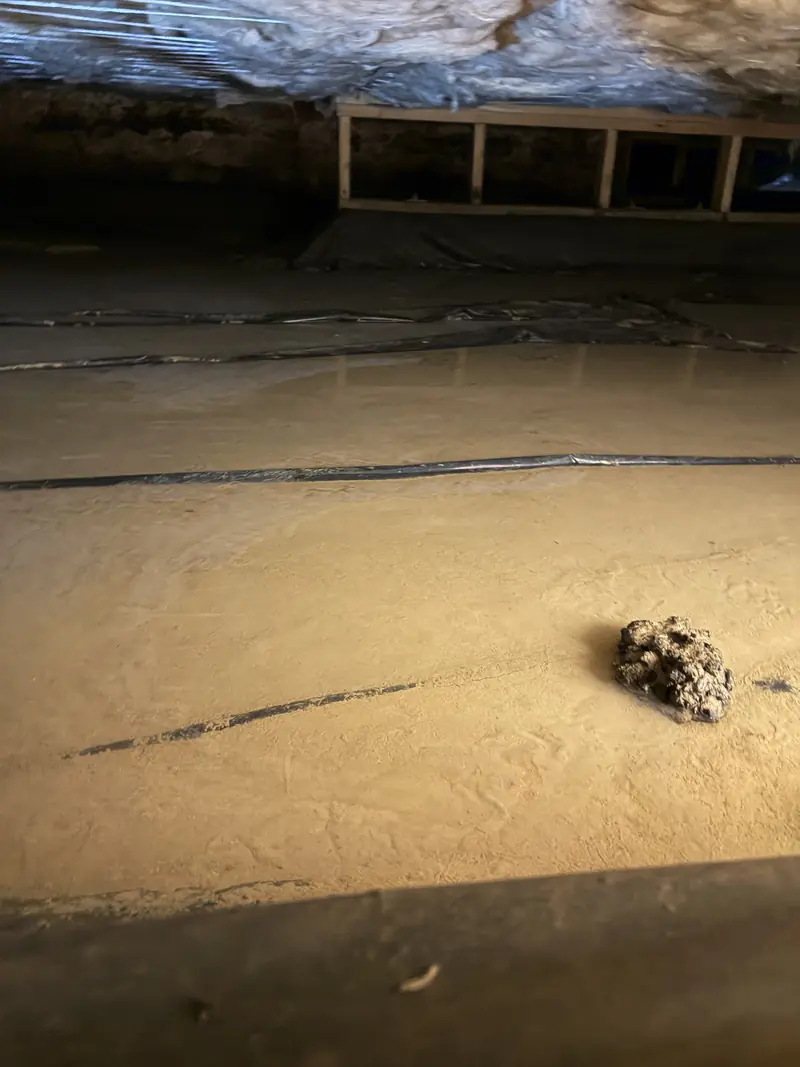
Where water usually comes from
- Grading on newer lots that sends water toward the house
- Gutters and downspouts discharging at the foundation
- Saturated soil during long wet spells pushing water through or under the foundation
- Low crawl spaces that sit below the surrounding grade
A Battle Ground waterproofing plan
Typically interior drainage where water enters or collects, a sump pump to move it out, repairs to any concrete letting water through, outside recommendations, and a new vapor barrier on top.
Documenting for newer homes
If your home is new and you're talking with a builder, we can describe and photograph what we find. We don't interpret warranties, but clear information helps.
What affects the cost in Battle Ground
- How widespread and frequent the water is
- Drainage length and sump need
- Grading and gutter changes outside
- Foundation repairs
- Barrier and insulation restoration
A season to settle in
Newer lots sometimes improve as landscaping fills in and soil settles; sometimes they get worse. If your Battle Ground crawl space had water in its first winter, it's worth having it looked at rather than waiting to see. Early fixes are usually simpler.
Questions from Battle Ground homeowners
Does Battle Ground's rainfall really make a difference?
More rain means more saturated soil, more often. Crawl spaces that are borderline elsewhere may take on water here.
Will waterproofing fix a musty smell?
It removes a major cause. A new barrier helps with the rest.
How do I get an estimate?
Getting started is easy. Call or text (360) 470-4956, or fill out the form on this page. We'll learn what's going on beneath your home, schedule a time to take a look, and give you a straightforward waterproofing estimate.